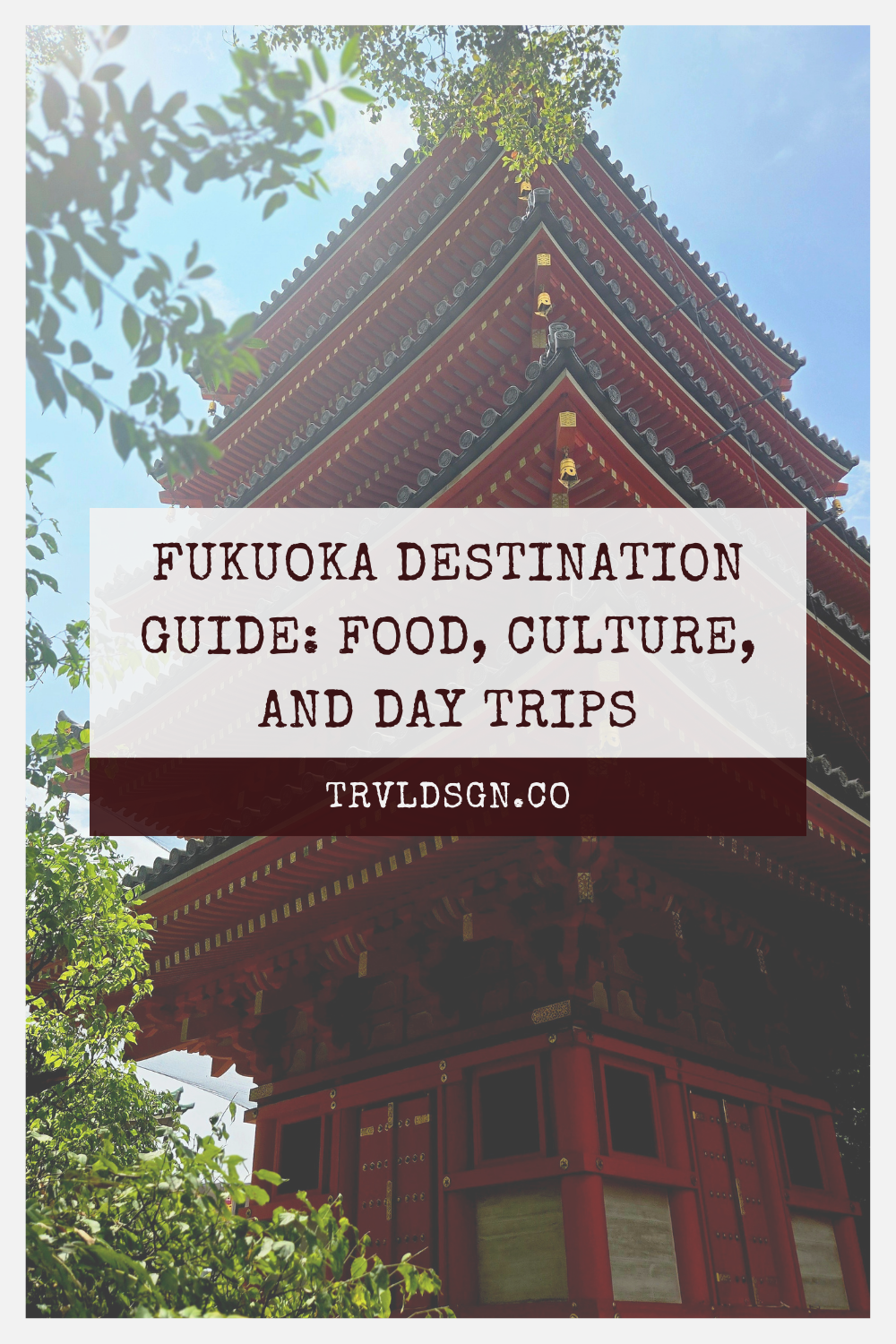
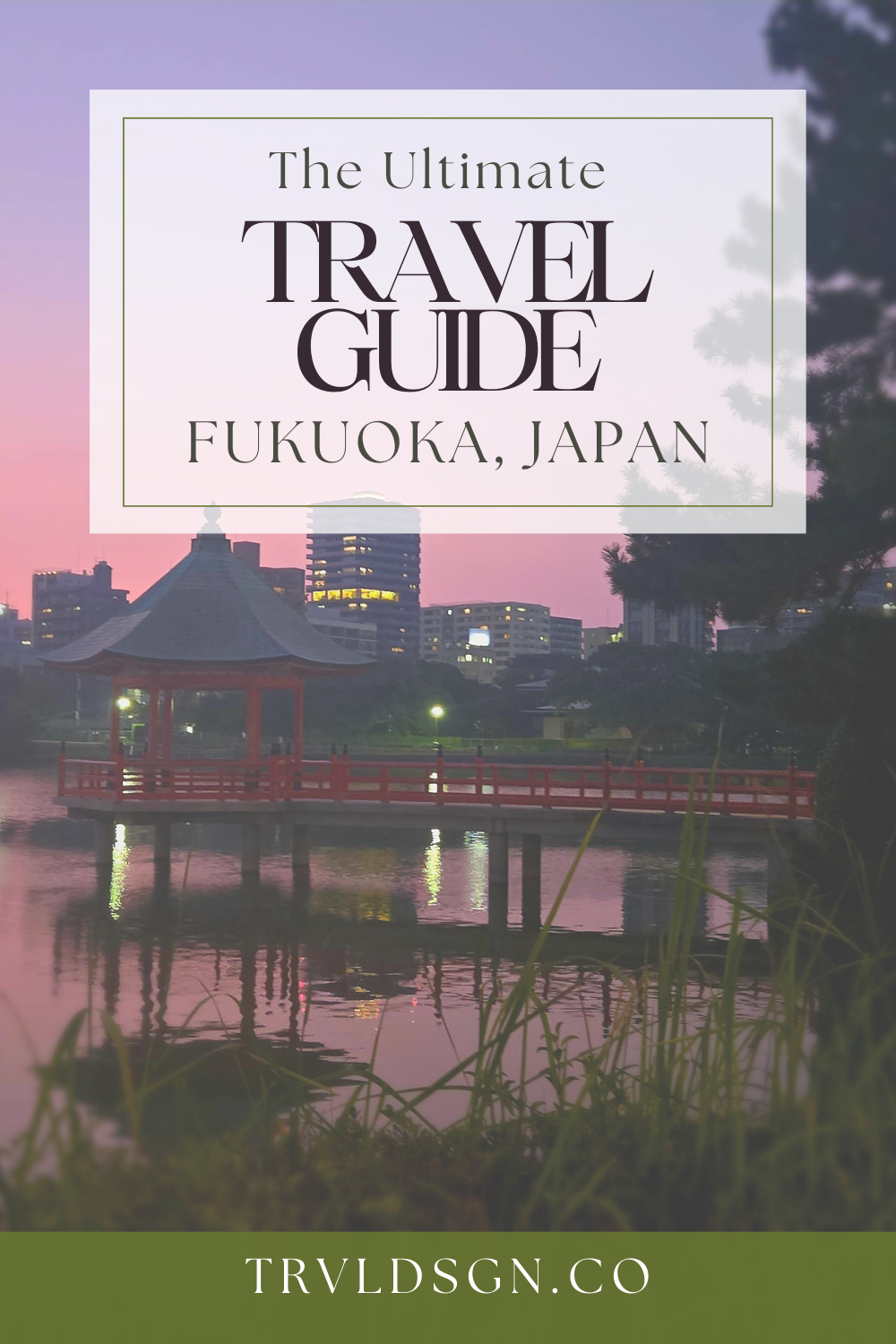
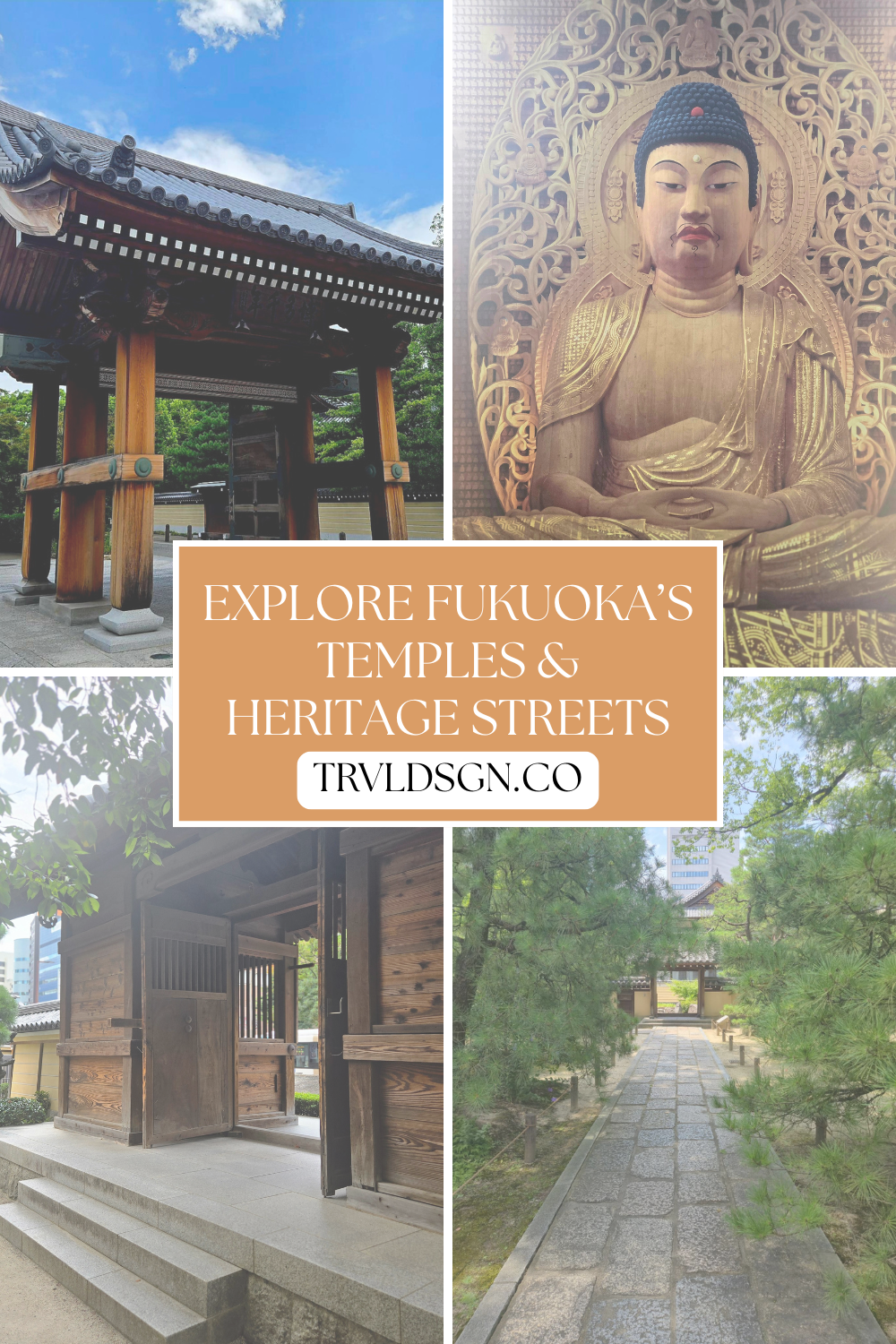
Fukuoka Destination Guide: Food, Culture, and Day Trips
Disclaimer: This post contains affiliate links. If you book through these links, I may earn a small commission at no extra cost to you. Your support helps me keep creating helpful travel guides. Thank you!
If you’re planning a trip to Japan and want a destination that blends culture, incredible food, and easy day trips, Fukuoka is calling your name. Located on the northern shore of Kyushu Island, this lively city is famous for its laid-back charm, modern vibe, and of course, Hakata ramen. Fukuoka is your gateway to exploring a side of Japan that’s often overlooked by first-time visitors.
In this guide, you’ll find everything you need to plan the perfect Fukuoka itinerary, including:
· How to get to and around Fukuoka with ease
· The best areas and hotels to stay in for every budget
· A map to keep you on track
· Booking links for tours and experiences
· A playlist to drift through Kyushu, from Fukuoka’s streets to mountain air and quiet shrines.
Why Visit Fukuoka?
Fukuoka often flies under the radar compared to Tokyo, Kyoto, or Osaka - making Fukuoka one of Japan’s best kept secrets. That’s exactly what makes it special. It’s a perfect balance of historic charm, modern shopping districts, and a world-class food scene.
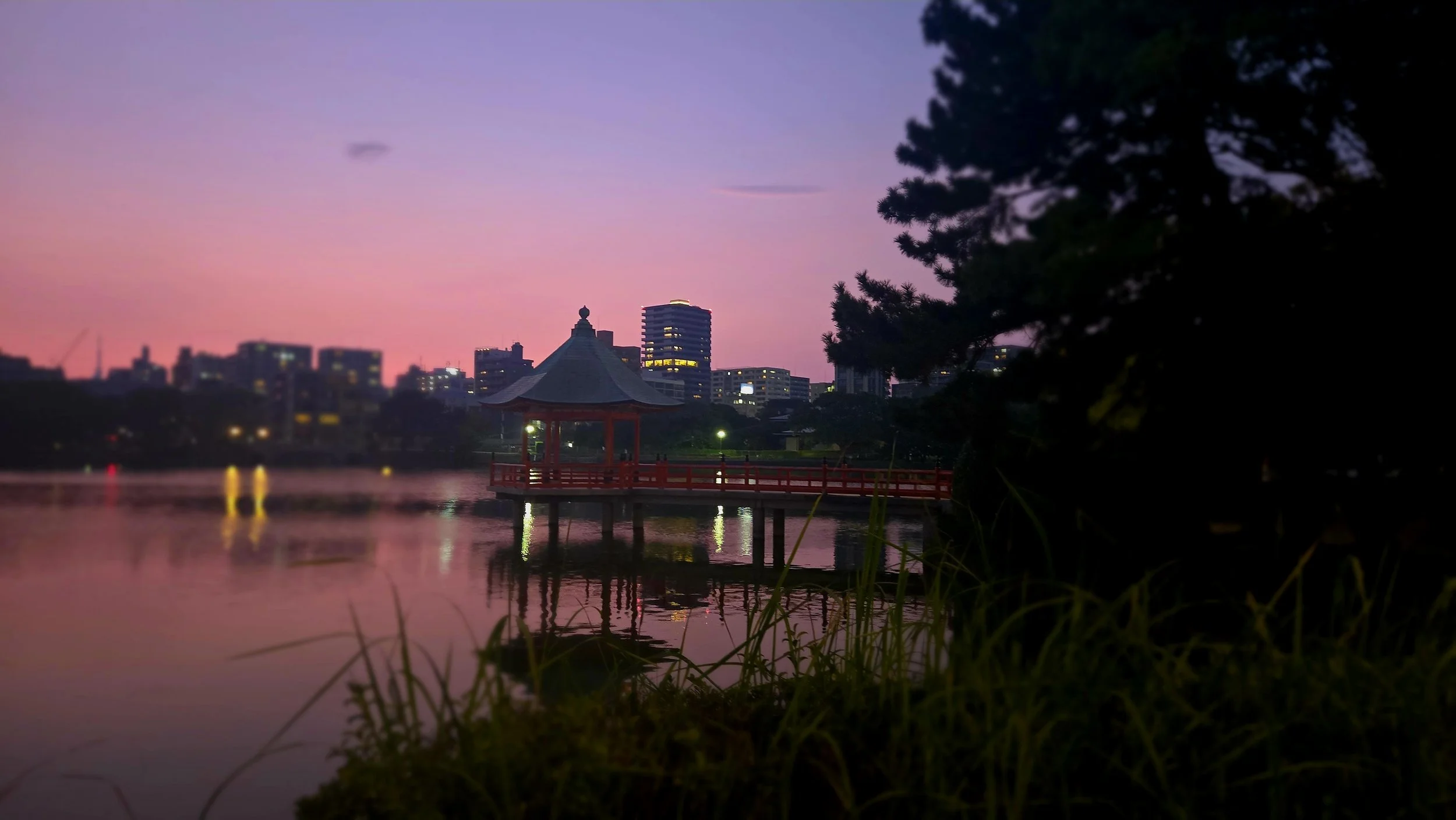
Top reasons why Fukuoka deserves a spot on your Japan itinerary:
1. A Foodie’s Paradise
If you’ve heard of Hakata ramen, you already know Fukuoka’s claim to fame. Slurp the original tonkotsu-style ramen at local shops. Beyond ramen, you can enjoy a late-night meal at the city’s famous yatai (open-air food stalls).
2. Rich Cultural Heritage
Historic shrines, temples, and preserved streets sit alongside modern underground shopping malls, trendy cafes, and bustling nightlife. It’s the perfect place to experience Japan without feeling removed from contemporary life.
3. Scenic Day Trips
Fukuoka’s location makes it a great base for exploring Kyushu’s natural beauty and nearby towns. You can enjoy mountain views, canal cruises, or relaxing hot spring, all within a short trip from the city.
4. Easy to Navigate
With a compact city center, Fukuoka is incredibly walkable and supported by efficient subway and bus networks. Getting around is a breeze, even for first-time visitors.
5. Less Crowded, More Authentic
Unlike Japan’s major tourist hotspots, Fukuoka offers a slower pace and more local feel. It’s ideal for travelers who want to experience Japanese culture without the crowds.
Getting To and Around Fukuoka
Fukuoka is one of Japan’s easiest cities to reach and navigate, making it perfect for both first-time visitors and seasoned travelers.

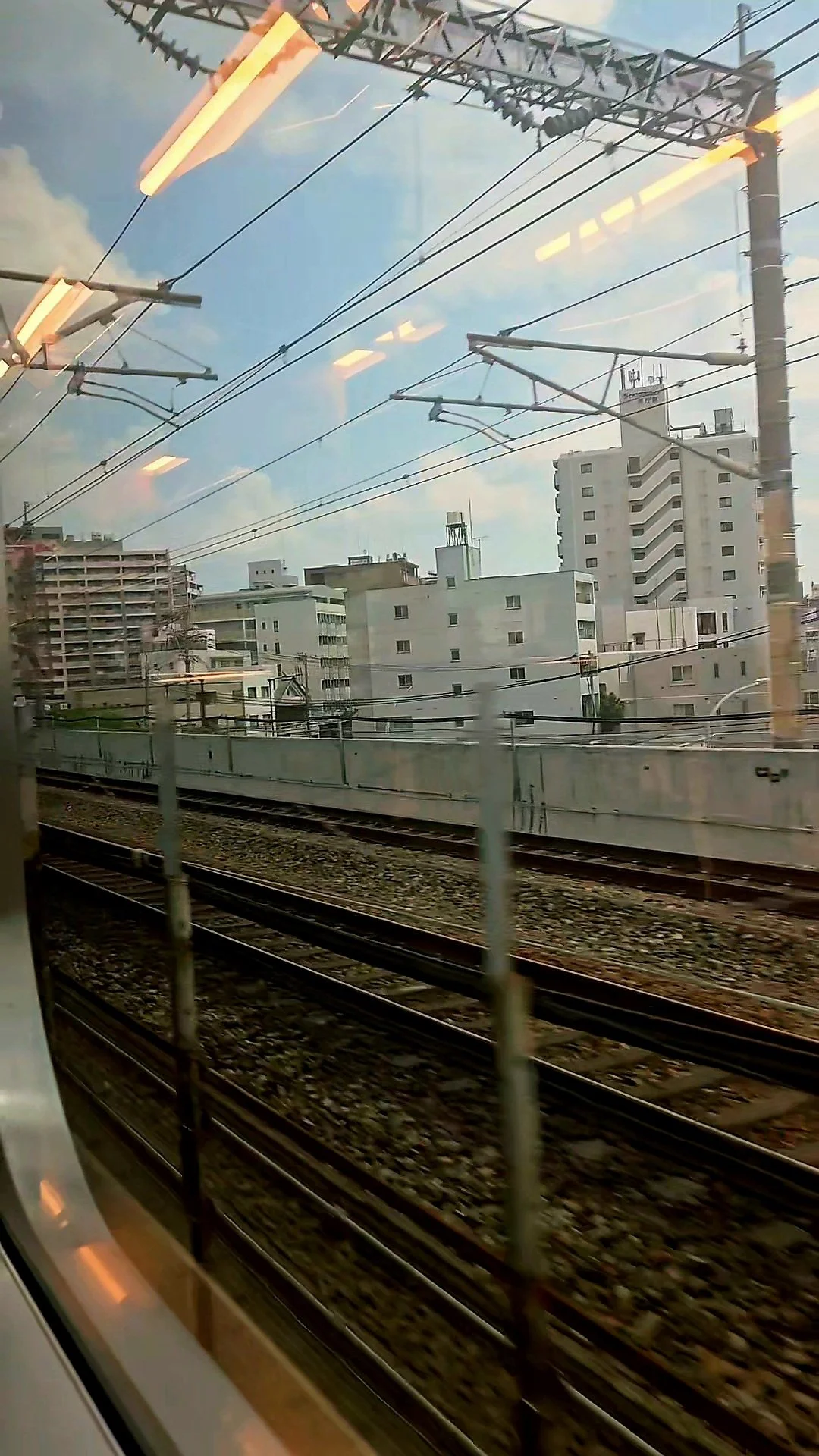
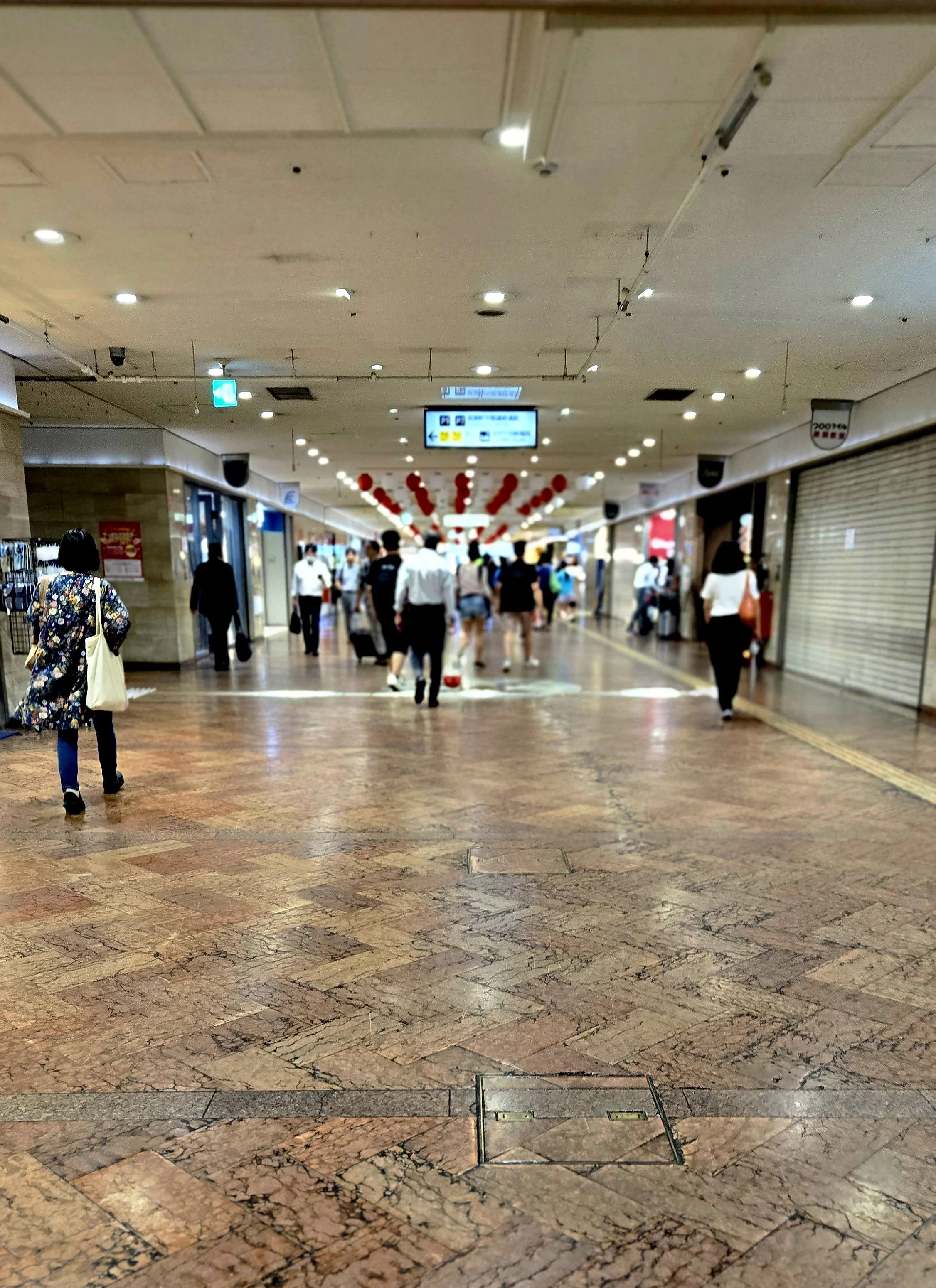
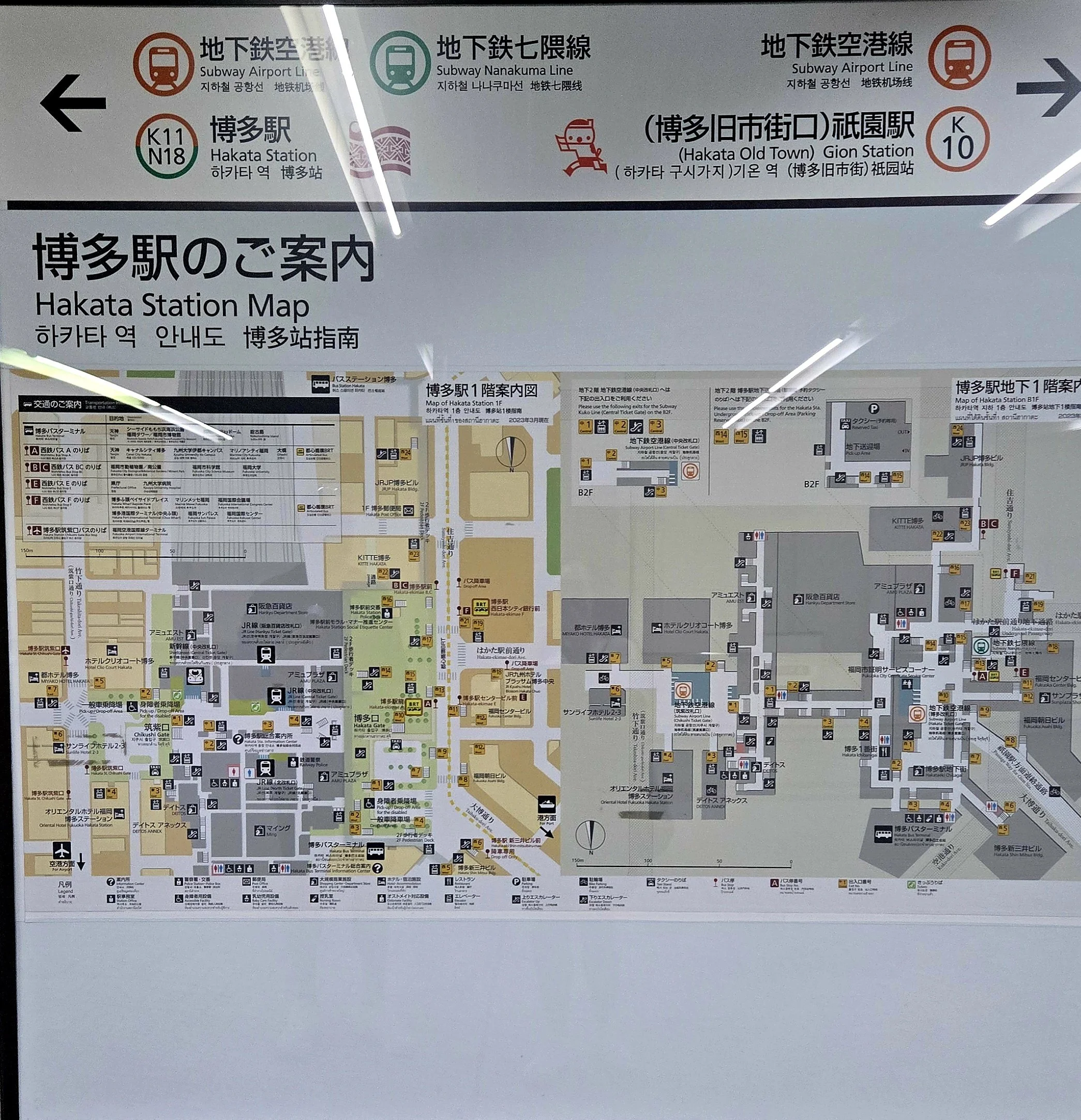
Getting to Fukuoka
By Air: Fukuoka Airport is located just 5 minutes from Hakata Station via subway, making it incredibly convenient. There are direct flights from Tokyo, Osaka, Okinawa and even some international destinations.
By Train: Take the Shinkansen (bullet train) from Tokyo (around 5 hours) or Osaka/Hiroshima (2–3 hours).
Pro tip: If traveling from Okinawa or other major Asian cities to Mainland Japan, it is often cheaper to fly into Fukuoka and take the Shinkansen to popular destinations such as Hiroshima, Osaka, and Tokyo if traveling on a budget. There are no direct flights from the US to Fukuoka.
Getting Around Fukuoka
Subway & Bus: The city’s subway system is compact and easy to use, with Hakata Station and Tenjin Station as central hubs. IC cards Suica or Pasmo are convenient to use. However, you can purchase tickets at the kiosk in each of the stations. On our recent trip, we found that a few smaller train and subway stations only accept yen as payment and did not accept cards.
Biking & Walking: Many attractions are within walking distance of each other, and bike rentals are widely available. Fukuoka has many underground walkways that connect major subway stations and shopping malls. You can walk between subway stations, shopping areas, and landmarks entirely underground in central Fukuoka. During our last trip, we went from baggage claim to our hotel using the subway and underground walkways entirely. It is very convenient during the hot summer months or during inclement weather.
Taxis: Convenient but more expensive. We used DiDi for short trips or late-night returns. Google maps will give you an estimated cost of a DiDi taxi when you input your destination. For convenience, download the DiDi app ahead of time.
Day Trips: For destinations outside the city (Dazaifu, Yufuin, Beppu, Yanagawa, Hita), regional trains or buses are efficient and easy to navigate.
Where to Stay in Fukuoka
Choosing the right area to stay can make your trip to Fukuoka much smoother, especially if you want easy access to attractions, dining, and transportation.

Here’s a breakdown of the best neighborhoods:
1. Hakata – Convenient and Central
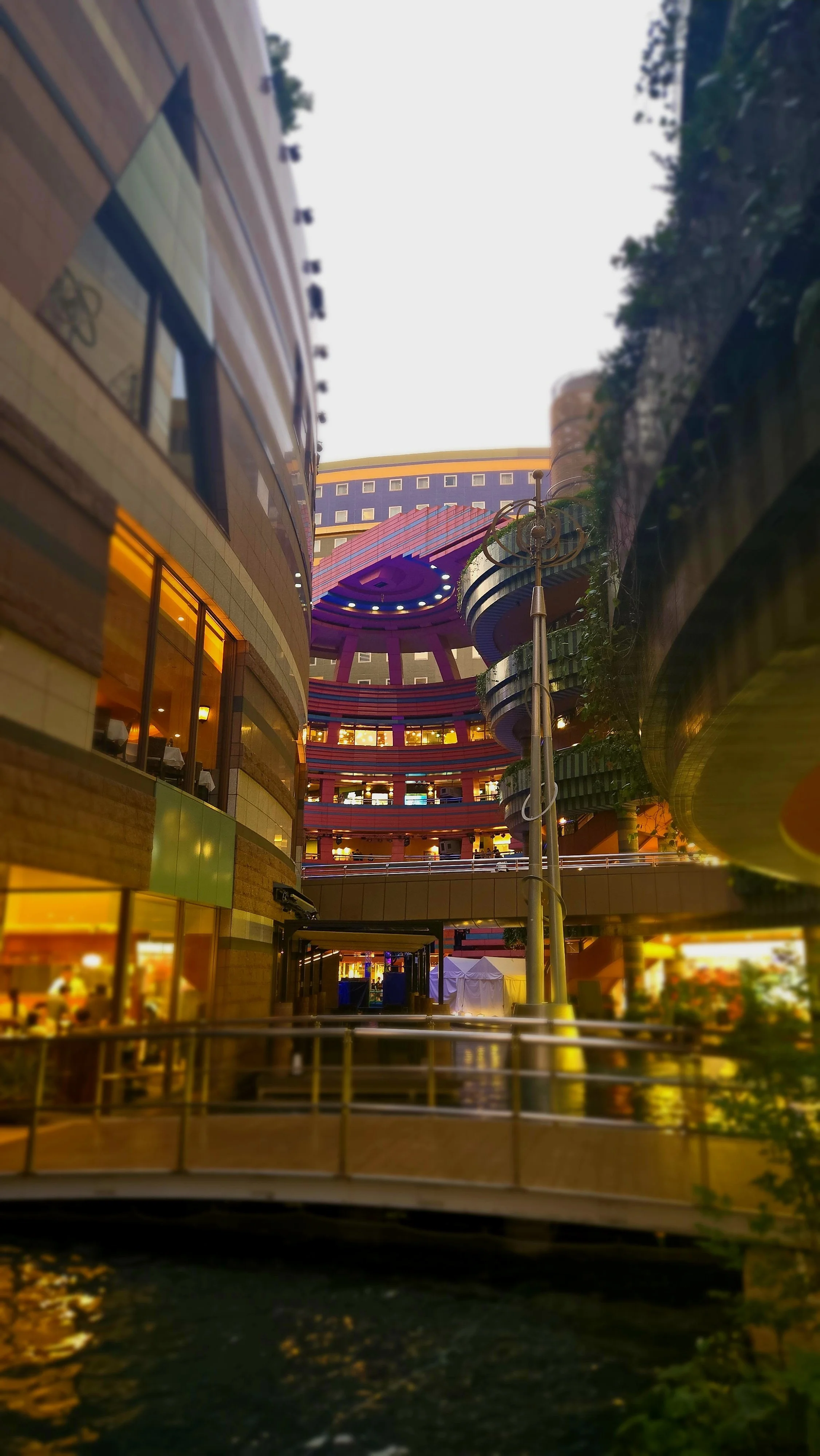
Why Stay Here: Hakata is Fukuoka’s transportation hub, making it easy to catch the subway, Shinkansen, or buses. You’re close to Hakata Station, Canal City, and numerous shopping and dining options.
Recommended Hotels:
Luxury: Hotel Nikko Fukuoka
Mid-range: Mitsui Garden Hotel Hakata
Budget: Dukes Hotel Hakata
2. Tenjin – Shopping & Nightlife
Why Stay Here: Tenjin is Fukuoka’s commercial heart, perfect for shopping, cafes, and nightlife. Great for travelers who want to be in the middle of the action.
Recommended Hotels:
Luxury: The Ritz-Carlton Fukuoka
Mid-range: Solaria Nishitetsu Hotel
Budget: Hotel MyStays Fukuoka-Tenjin
3. Nakasu – Food & Entertainment
Why Stay Here: Nakasu is famous for its yatai street food stalls and riverside nightlife. Ideal for foodies and night owls.
Recommended Hotels:
Luxury: Grand Hyatt Fukuoka (Although technically not in Nakasu, it is just over the bridge and Hakata River)
Mid-range: Hakata Excel Hotel Tokyu
Budget: Hakata Nakasu Washington Hotel
Tips for Choosing Accommodation
Book a hotel near a subway station for easy access to attractions and day trips.
If you plan to visit Beppu, Yufuin, or Yanagawa, staying near Hakata Station makes train travel simpler.
Pro tip: Walking via the underground passage to Gion Station avoids the crowds at Hakata Station during peak-hour congestion.
During a recent trip, we stayed at Hotel Nikko Fukuoka, conveniently located between Hakata Station and Gion Station. The hotel offers direct access to the underground walkway via its hotel elevators and stairs, making it easy to navigate the city without going outside.
When traveling westbound on the subway, we often opted to walk to Gion Station instead of boarding at Hakata Station using the underground walkway. Gion Station is smaller, less crowded, and much quicker to navigate. In fact, if you were to board the subway at Hakata heading west, the first stop is Gion Station anyway, so using the walkway saved us time and hassle.
Cultural Experiences and Tours in Fukuoka
Fukuoka offers something for every traveler. From food stalls to historic temple walks, and from soothing onsen day trips to peaceful canal cruises, the options are endless.




1. Hakata Food & Yatai Night Tour
Discover Fukuoka’s famous Hakata ramen, yakitori, and other street food by wandering the riverbank. Stalls don’t typically open until 6pm but they do remain open late into the night, usually closing around 2am.
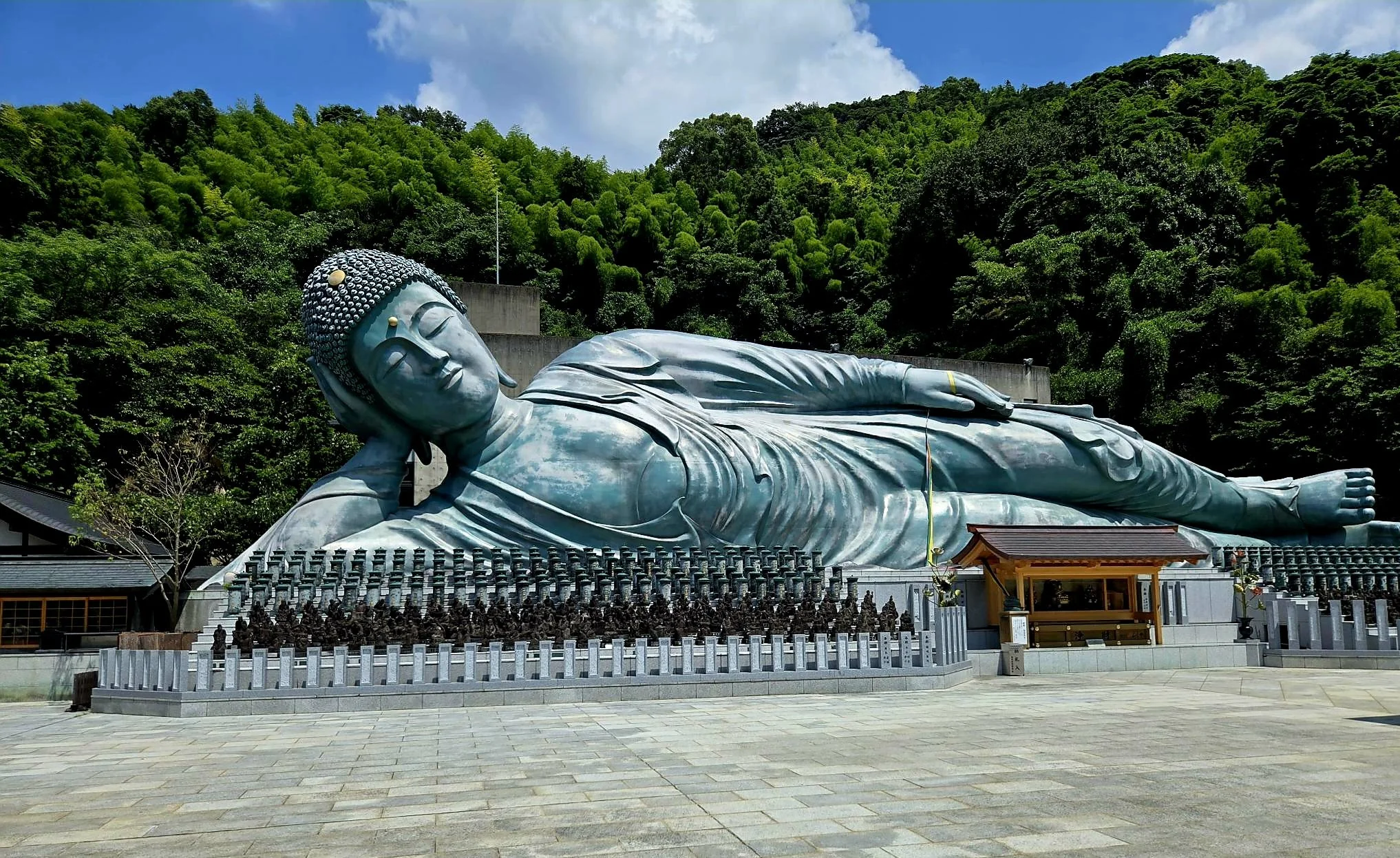
2. Nanzoin Temple & Reclining Buddha Tour
Take a half-day excursion to Nanzoin Temple, home to one of the world’s largest reclining Buddhas. Nanzion Temple is easy to get to by taking the JR Sasaguri Line to Kidonanzoin-mae Station and following the signs.
3. Cultural Walk in Old Town Hakata
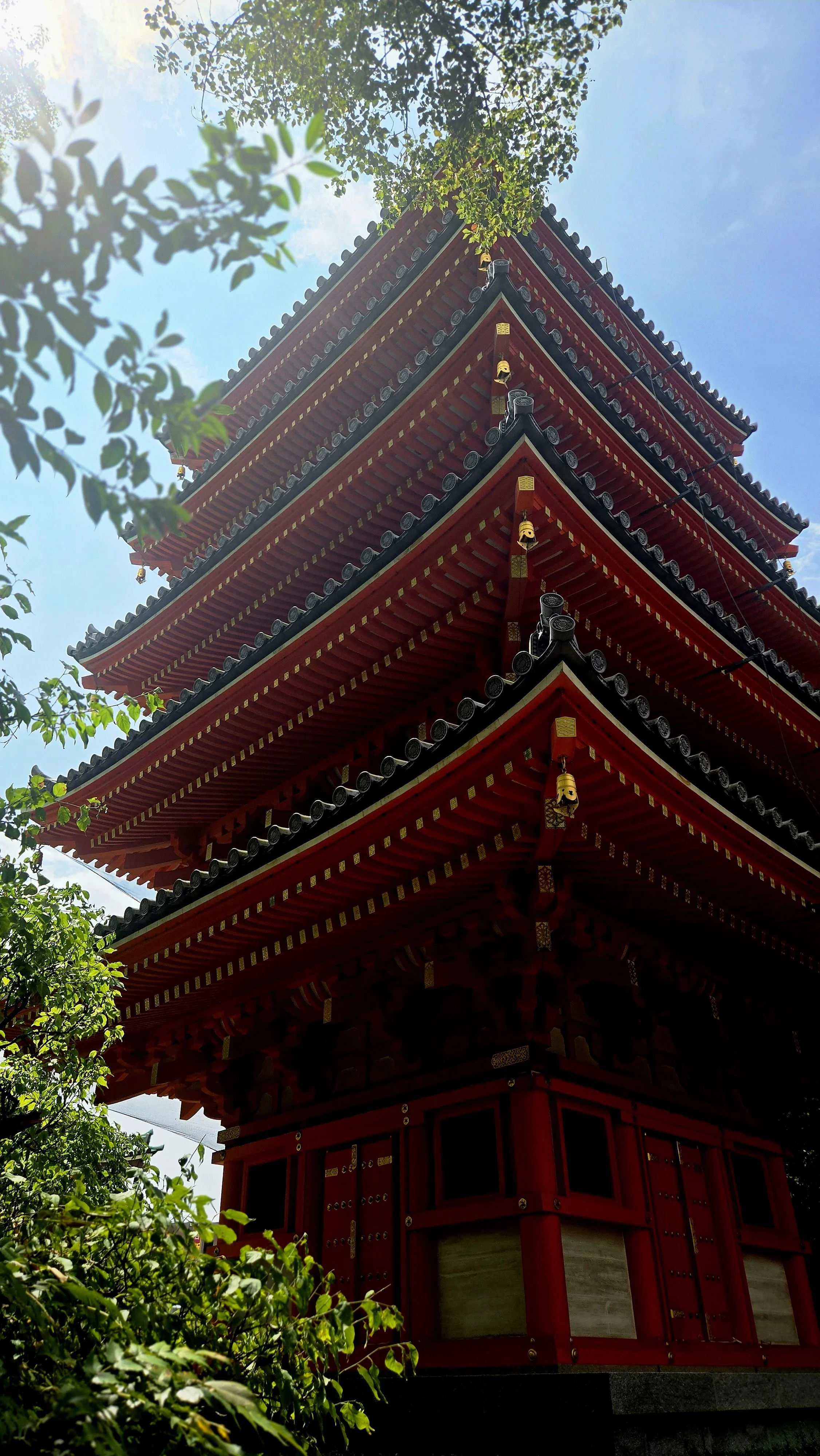
This area is rich with traditional temples, shrines, and beautifully preserved streets. Old Town Hakata is within walking distance of Hakata Station, making it easy to soak in its history while exploring at your own pace.
4. Day Trips to Onsen Towns (Yufuin or Beppu)
Experience the relaxing hot springs of Yufuin or Beppu. Travel time can be 2.5+ hours one way by train or bus. I highly recommend booking a guided tour to these destinations to save time, get local insights, and have the ease of round-trip transportation covered.
Beppu – Known for its “hells” (jigoku) hot springs.
Yufuin – A charming, artsy town surrounded by scenic mountains, ideal for strolling boutique-lined streets and the Yufuin Floral Village.
5. Yanagawa Canal Cruise
Known as the “Venice of Kyushu,” Yanagawa is famous for its extensive historic canals. You can get to Yanagawa from Tenjin Station by taking the Nishitetsu-Tenjin-Omuta Line. Travel time is about 1 hour and 20 minutes one way from Tenjin Station. Consider booking a canal ride in advanced, but you may purchase upon arrival.
Ready to Dive Deeper?
Whether you explore on your own or prefer a local guide to handle the details, there are plenty of ways to make the most of your time in Fukuoka. Guided experiences often include transportation and insider tips, which can save time and enhance your trip.
Check out these links to explore recommended tours and experiences to plan ahead and make your itinerary stress-free:
GetYourGuide
Viator
Fukuoka Playlist
Fukuoka has a gentle pulse. This playlist drifts between mellow corners of Kyushu: the low hum of city life, the soft quiet of shrines, and the calm of mountain air. Let it be your soundtrack as you wander, plan your trip, or dream of these peaceful days.
Not sure where to start?
I’ve mapped everything out for you! From temples and parks to the best food stops. Save this handy map on your phone. All locations from this guide (plus more!) are pinned on the map below for easy access while you travel.
Feeling inspire and want help planning your Fukuoka trip? I’d love to help you craft an itinerary that matches your pace and interests. Reach out to me here and let’s start planning!
📌 Like this post? Pin it now to save for later! 📌