Kyoto Destination Guide: Timeless Traditions & Modern Inspiration
Disclaimer: This post contains affiliate links. If you book through these links, I may earn a small commission at no extra cost to you. Your support helps me keep creating helpful travel guides. Thank you!
If you’re planning a trip to Japan and want a destination that combines history, culture, and unforgettable experiences, Kyoto is waiting for you. From ancient temples and serene gardens to charming streets lined with teahouses and artisan shops, this city offers a perfect mix of tradition and modern discovery. Kyoto is more than a stop on your itinerary, it’s a place to slow down, explore thoughtfully, and let the city’s timeless rhythm inspire your journey.
In this guide, you’ll find everything you need to plan the perfect Kyoto experience, including:
· How to get to and around Kyoto easily
· The best neighborhoods and hotels for every type of traveler
· A map to help you navigate the city and plan your days
· Recommendations for tours, cultural experiences, and nearby day trips
· A travel playlist inspired by Kyoto’s calm mornings and vibrant nights
Why Visit Kyoto?
Kyoto isn’t just a city to see, it’s a city to feel. Everywhere you turn, centuries-old traditions are woven into everyday life, from quiet tea ceremonies to the craftspeople perfecting their art. Temples and shrines rise gracefully amid narrow streets, gardens invite moments of reflection, and even the smallest alleyway seems to carry a story waiting to be discovered. In Kyoto, every experience feels intentional, offering a chance to slow down, notice the details, and connect with a rhythm of life that’s both timeless and deeply inspiring.
Top reasons why Kyoto deserves a spot on your Japan itinerary:
1. A Hub of Timeless Culture
Kyoto is home to over 2,000 temples and shrines, from the iconic golden reflection of Kinkakuji to the endless vermilion gates of Fushimi Inari. Beyond the landmarks, centuries-old traditions; tea ceremonies, kimono fittings, and artisan crafts, are woven into daily life, making every visit a chance to experience Japan’s heritage firsthand.
2. Stunning Seasonal Beauty
Kyoto is magical in every season. Cherry blossoms in spring, fiery autumn leaves, and serene winter mornings transform the city into a living work of art. Even a quiet stroll through a temple garden feels like stepping into a painting.
3. Immersive Experiences
From wandering the bamboo groves of Arashiyama to participating in a traditional tea ceremony or exploring local markets, Kyoto offers experiences that go beyond sightseeing. It’s a city designed for slow travel, reflection, and discovery.
4. Easy to Get Around
Kyoto’s compact layout and extensive bus and train networks make it easy to explore. Whether you’re hopping between temples, strolling historic streets, or venturing out on a day trip, navigating the city is simple and stress-free.
5. A City That Rewards Exploration
Hidden temples, quiet alleys, and artisan shops reward those willing to wander off the beaten path, offering a more authentic, personal experience of Japanese culture.
Getting to and Around Kyoto
Kyoto is easy to reach and even easier to explore once you arrive, making it a stress-free addition to any Japan itinerary. Whether you’re arriving by bullet train from Tokyo, a short ride from Osaka, or via Kansai International Airport, the city’s efficient transport network means you can start exploring almost immediately. Once you’re here, Kyoto’s compact neighborhoods, extensive bus and train systems, and walkable streets make getting around simple, leaving you free to focus on wandering temples, discovering hidden gardens, and soaking in the city’s timeless atmosphere.
Getting to Kyoto:
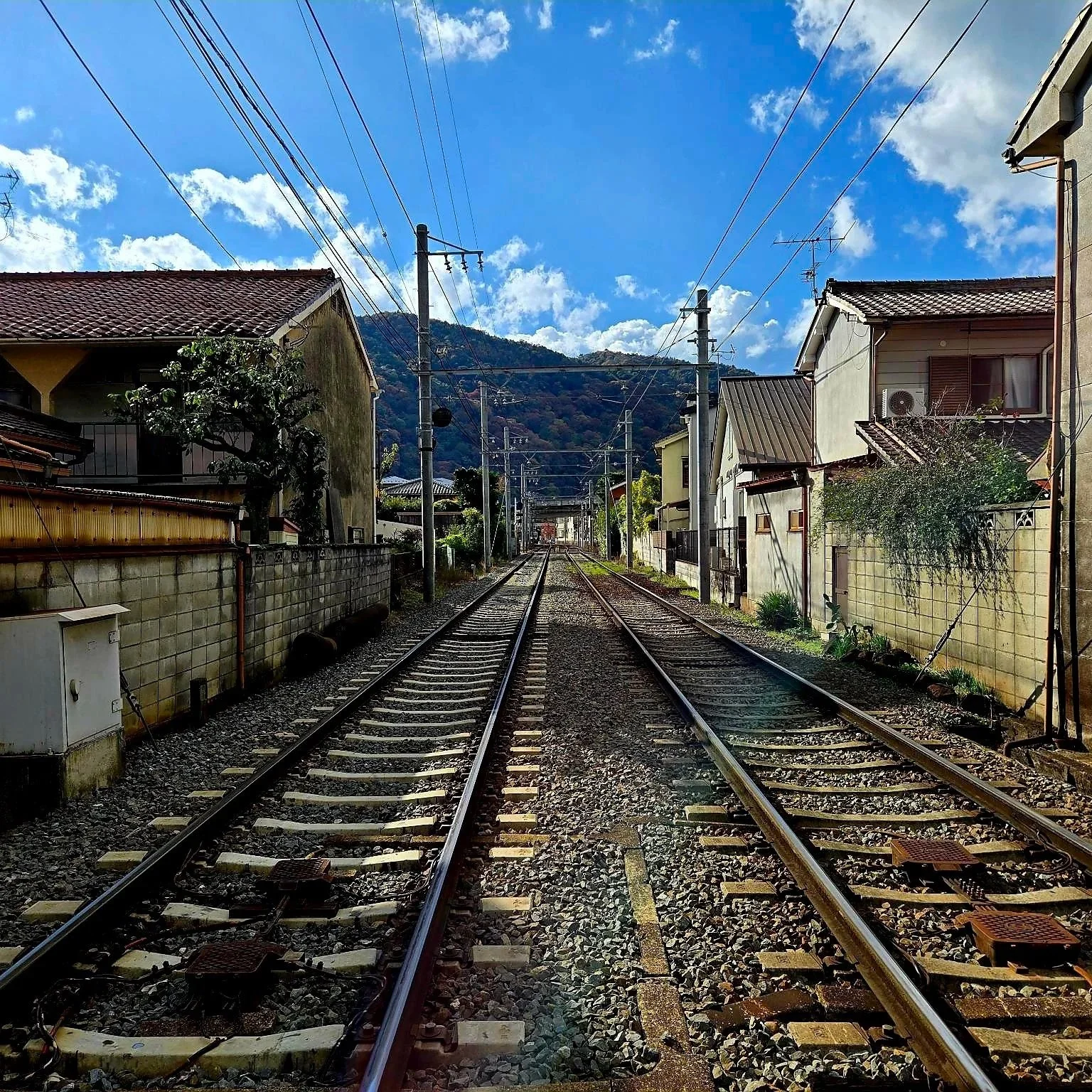
By Train: Kyoto is served by the Shinkansen (bullet train), which connects it to major cities like Tokyo (around 2 hours 20 minutes) and Osaka (just 15 minutes). The city’s main station, Kyoto Station, is a hub for both local and long-distance trains, making it the perfect starting point for exploring the city and surrounding areas.
By Plane: While Kyoto doesn’t have its own airport, it’s easily accessible from Kansai International Airport (KIX) near Osaka, or Osaka Itami Airport (ITM). From Kansai International, take the JR Haruka Express for a direct ride to Kyoto Station in about 75 minutes.
Getting Around the City:
Buses: Kyoto’s bus network is extensive and covers nearly every temple, shrine, and neighborhood. A one-day bus pass is a convenient and affordable option for sightseeing.
Trains & Subways: The city’s train lines are efficient and helpful for traveling between districts and to nearby cities. For example, the JR Nara Line is ideal for a day trip to Nara.
Walking: Many of Kyoto’s most charming areas like Gion, Higashiyama, and Arashiyama are best explored on foot. Comfortable shoes are a must.
Where to Stay in Kyoto
Choosing the right neighborhood can make all the difference in your Kyoto experience. Each area has its own charm and access to the city’s many temples, gardens, and cultural experiences. Whether you want to wander historic streets, stay close to transport hubs for day trips, or immerse yourself in serene riverside scenery, Kyoto offers accommodations to suit every type of traveler. I’ll break down the best neighborhoods and recommend hotels across luxury, mid-range, and budget options so you can find the perfect home base for your visit.
1. Gion – Historic & Picturesque
Why Stay Here: Gion is Kyoto’s most famous historic district, full of lantern-lit streets, traditional teahouses, and glimpses of geisha. Staying here puts you within walking distance of Yasaka Shrine, Kiyomizudera, and charming alleys perfect for wandering.
Recommended Hotels:
Luxury: Hoshinoya Kyoto – Riverside ryokan with immersive traditional design
Mid-range: Hotel The Celestine Kyoto Gion – Modern comforts in a historic setting
Budget: Kyoto INN Gion the Second – Friendly, comfortable and very walkable to many of Gion’s highlights.
2. Higashiyama – Temples & Traditional Streets
Why Stay Here: Higashiyama is ideal for travelers who want to immerse themselves in Kyoto’s temple culture. Stone-paved streets, hidden gardens, and artisan shops surround you, making it easy to explore the area on foot.
Recommended Hotels:
Luxury: Suiran, a Luxury Collection Hotel – Boutique ryokan along the river
Mid-range: Kyoto Granbell Hotel – Stylish stay near historic attractions
Budget: Haruya Higashiyama – Charm of a Japanese wooden townhouse without the luxury price tag
3. Kyoto Station Area – Convenient & Connected
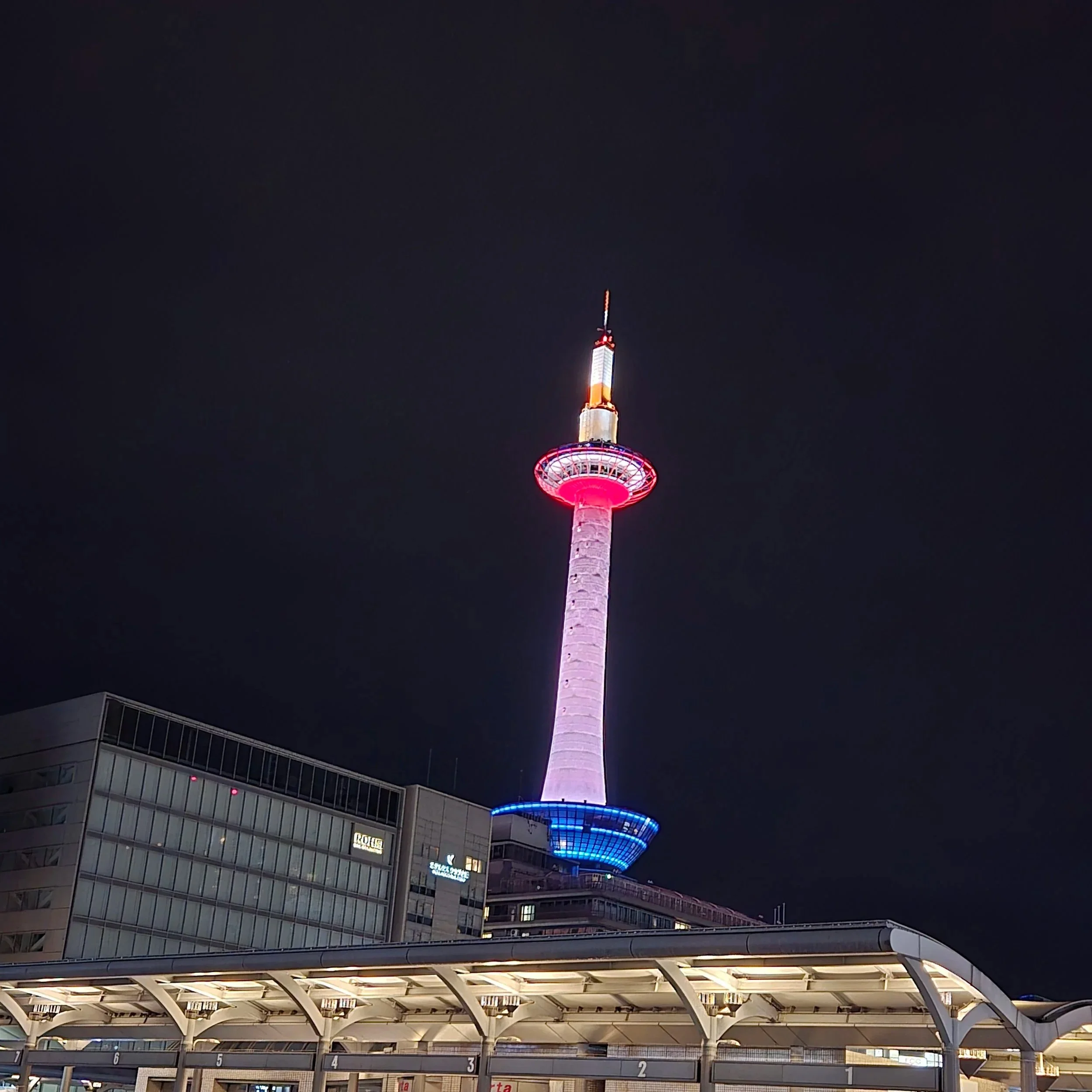
Why Stay Here: Staying near Kyoto Station is perfect for travelers prioritizing convenience and transport. You’ll have easy access to Shinkansen, buses, and trains for day trips to Nara, Uji, or Osaka, plus shopping and dining options within the station complex.
Recommended Hotels:
Luxury: Hotel Granvia Kyoto – Directly connected to the station, full-service luxury
Mid-range: Kyoto Century Hotel – Comfortable, central, and accessible
Budget: Sakura Terrace The Gallery – Modern, affordable, and close to transit
Cultural Experiences in Kyoto
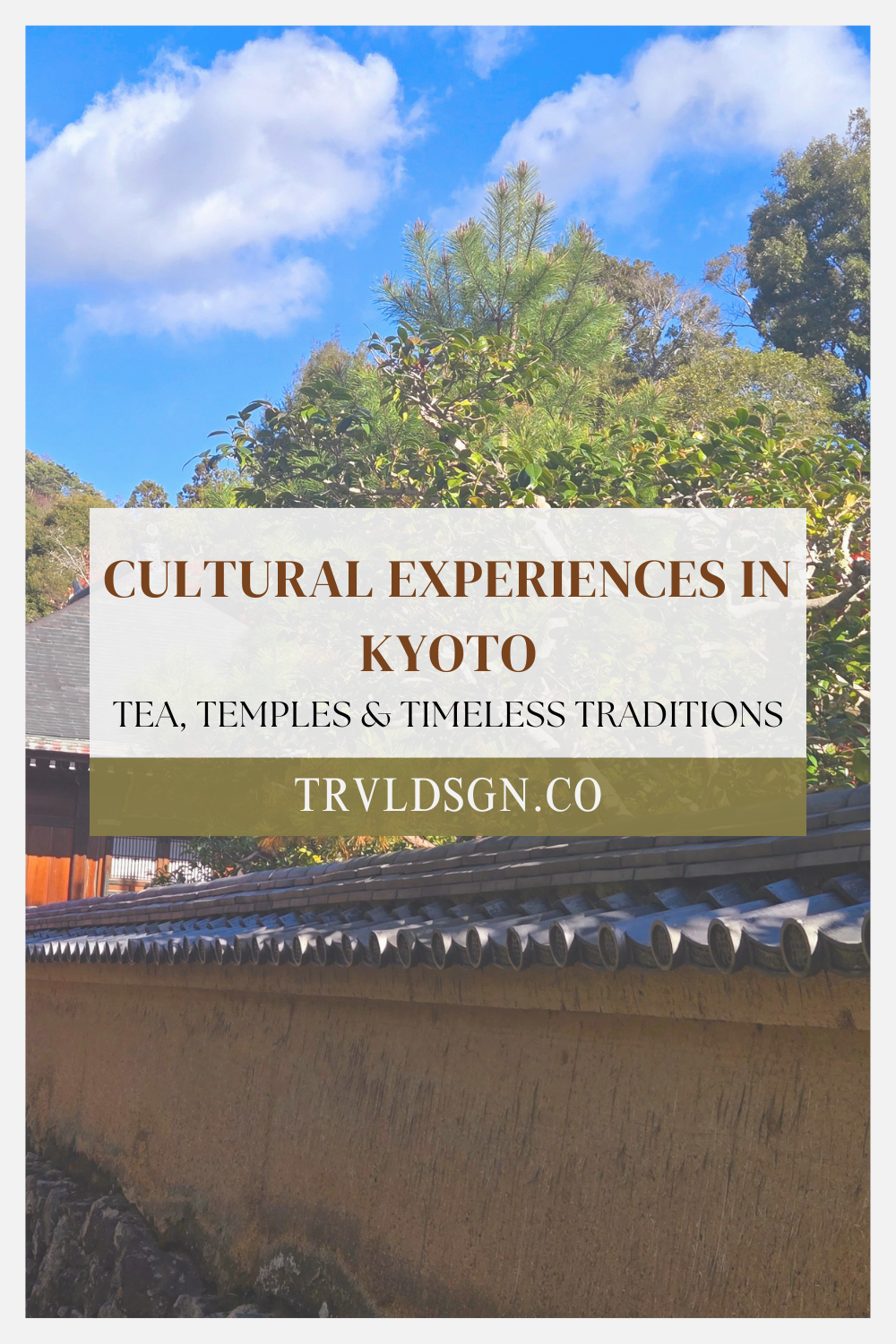
Kyoto is where Japan’s traditions truly come to life. Beyond the temples and gardens, it’s the hands-on experiences that let you connect with the city’s heart. Whether that’s learning the art of tea, walking in a kimono through historic streets, or watching a craftsman at work. These moments offer a deeper understanding of Kyoto’s culture, turning your visit into something personal and unforgettable. From guided tours that reveal hidden corners to workshops that celebrate centuries-old artistry, here are some of the most meaningful ways to experience Kyoto beyond sightseeing.

1. Traditional Tea Ceremony
Step into a tea house and experience one of Japan’s most refined traditions. Kyoto’s tea ceremonies are about more than drinking matcha. They’re an expression of mindfulness, beauty, and connection. Many experiences include a guided introduction to the ritual and a chance to prepare your own bowl of tea.
2. Calligraphy and Zen Workshops
Slow down with a hands-on class in Japanese calligraphy or Zen meditation. These experiences are quiet, reflective, and often led by temple monks or local artists. They are perfect for travelers seeking something meaningful and introspective.
3. Japanese Cooking Classes
Learn how to prepare Japanese dishes like obanzai (Kyoto-style home cooking), sushi, or wagashi (traditional sweets). Many classes start with a local market visit before you roll up your sleeves and cook alongside your instructor.
4. Kimono Rental and Photoshoot
Wearing a kimono in Kyoto is a special way to immerse yourself in its timeless atmosphere. Walk through Gion, Ninenzaka, or the bamboo grove in Arashiyama dressed in elegant patterns that reflect the season. Most shops offer hair styling and professional photos to remember the moment.
5. Artisan & Craft Workshops
Kyoto’s heritage of craftsmanship is unmatched. Pottery, fan-making, dyeing, and gold leaf are all part of its living culture. Joining a workshop lets you meet the makers and create your own piece of Kyoto to take home.
If you’re inspired to try one of these experiences for yourself, try a tea ceremony in Gion, a calligraphy workshop, or a Japanese cooking class. You can also explore more Kyoto cultural experiences here on Viator or GetYourGuide.
Top Attractions & Day Trips from Kyoto
Kyoto is a city that rewards both planning and wandering. You can spend days exploring temples, gardens, and centuries-old streets and still feel like there’s more to uncover. From iconic landmarks that define Japan’s cultural identity to quiet corners that feel untouched by time, every part of Kyoto tells a different story. And when you’re ready to explore beyond the city, easy day trips reveal even more of Japan’s charm. From bamboo forests and sacred mountains to nearby towns known for tea, pottery, and peaceful shrines.
1. Fushimi Inari Taisha – The Thousand Torii Gates
One of Japan’s most iconic sights, this Shinto shrine is famous for its seemingly endless tunnel of vermilion gates. Visit early in the morning or near sunset for a quieter, more atmospheric experience. The full hike to the mountaintop takes around two hours, but even a short walk offers breathtaking photo spots.
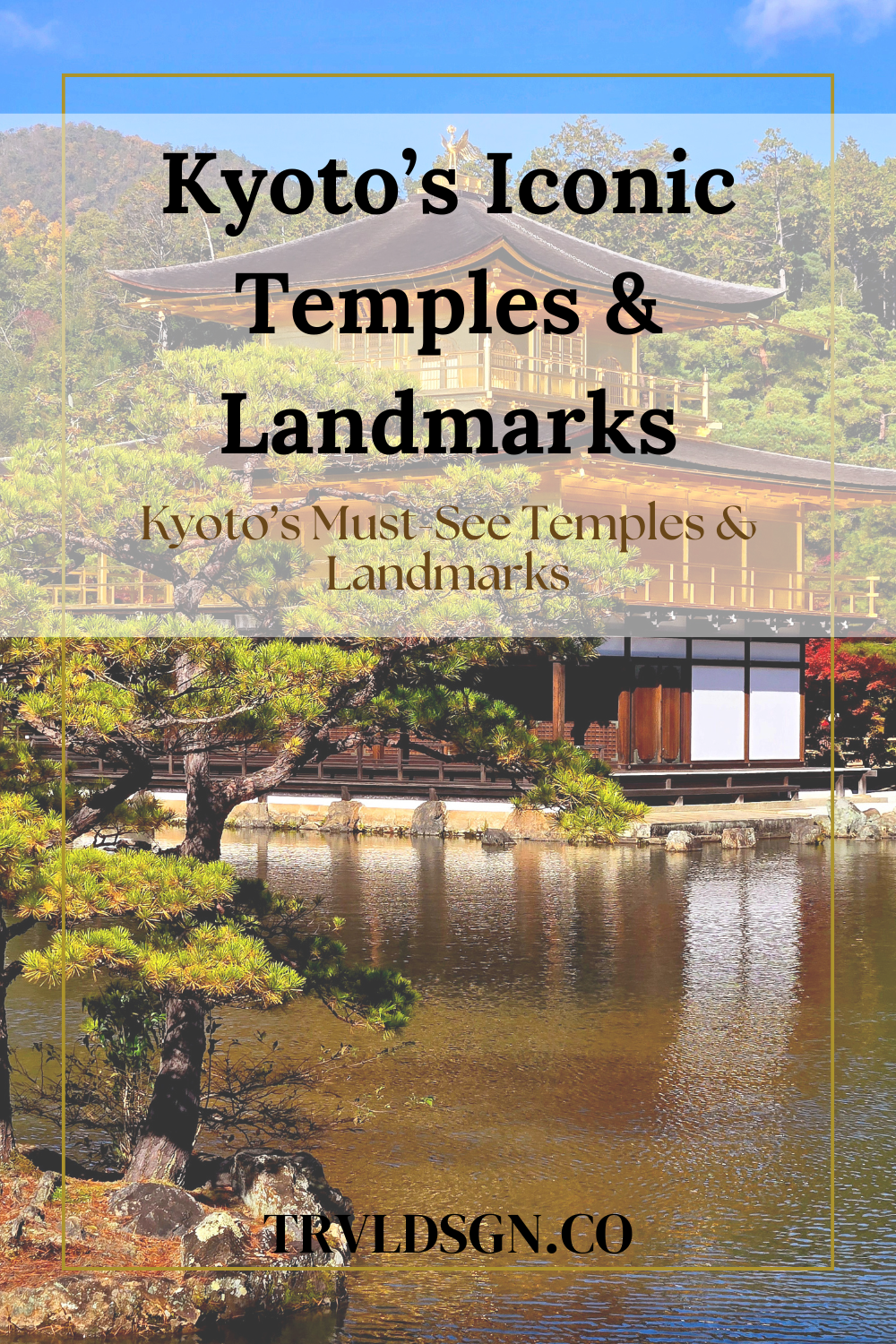
2. Kinkaku-ji (Golden Pavilion)
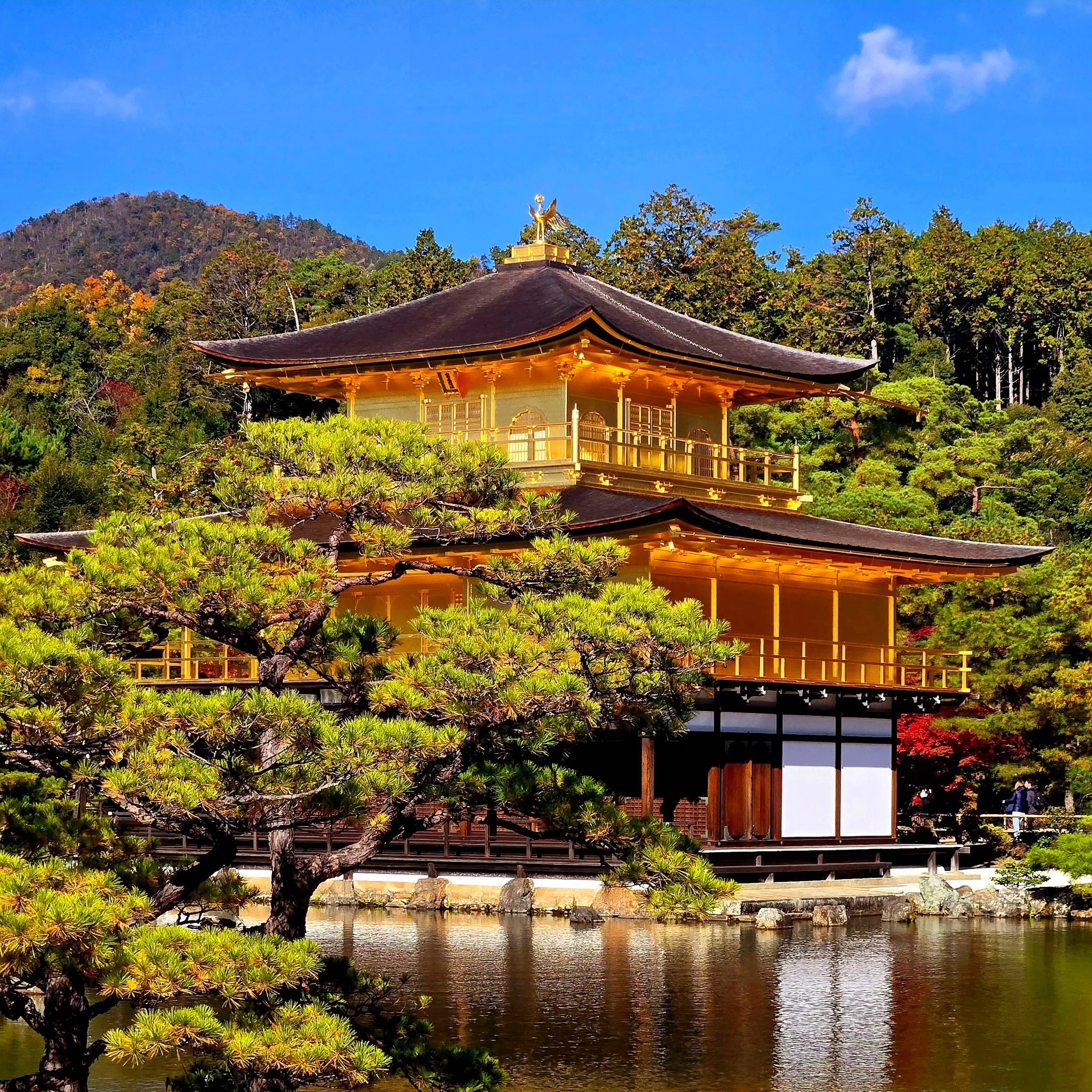
Perhaps Kyoto’s most photographed temple, Kinkaku-ji dazzles with its gold-leaf exterior reflected in a serene pond. It’s a must-see, especially in early morning light or during autumn when the surrounding trees burst into color.
3. Arashiyama Bamboo Grove & Tenryu-ji Temple
Stroll through towering bamboo stalks in Arashiyama, one of Kyoto’s most tranquil districts. Don’t miss Tenryu-ji Temple nearby, a UNESCO World Heritage site with one of Japan’s finest Zen gardens. For a full day in the area, add a visit to the Oi River and the scenic Iwatayama Monkey Park.
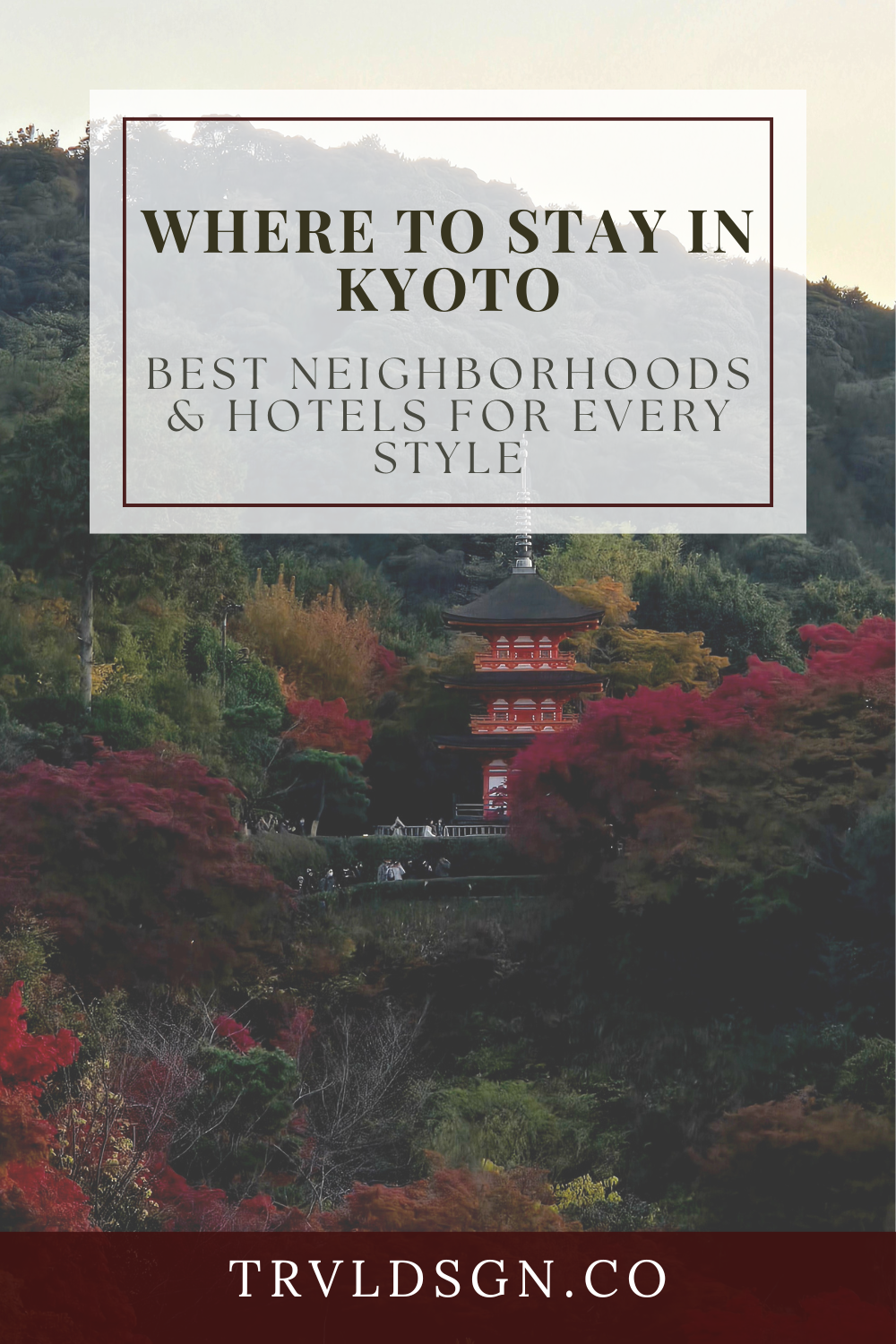
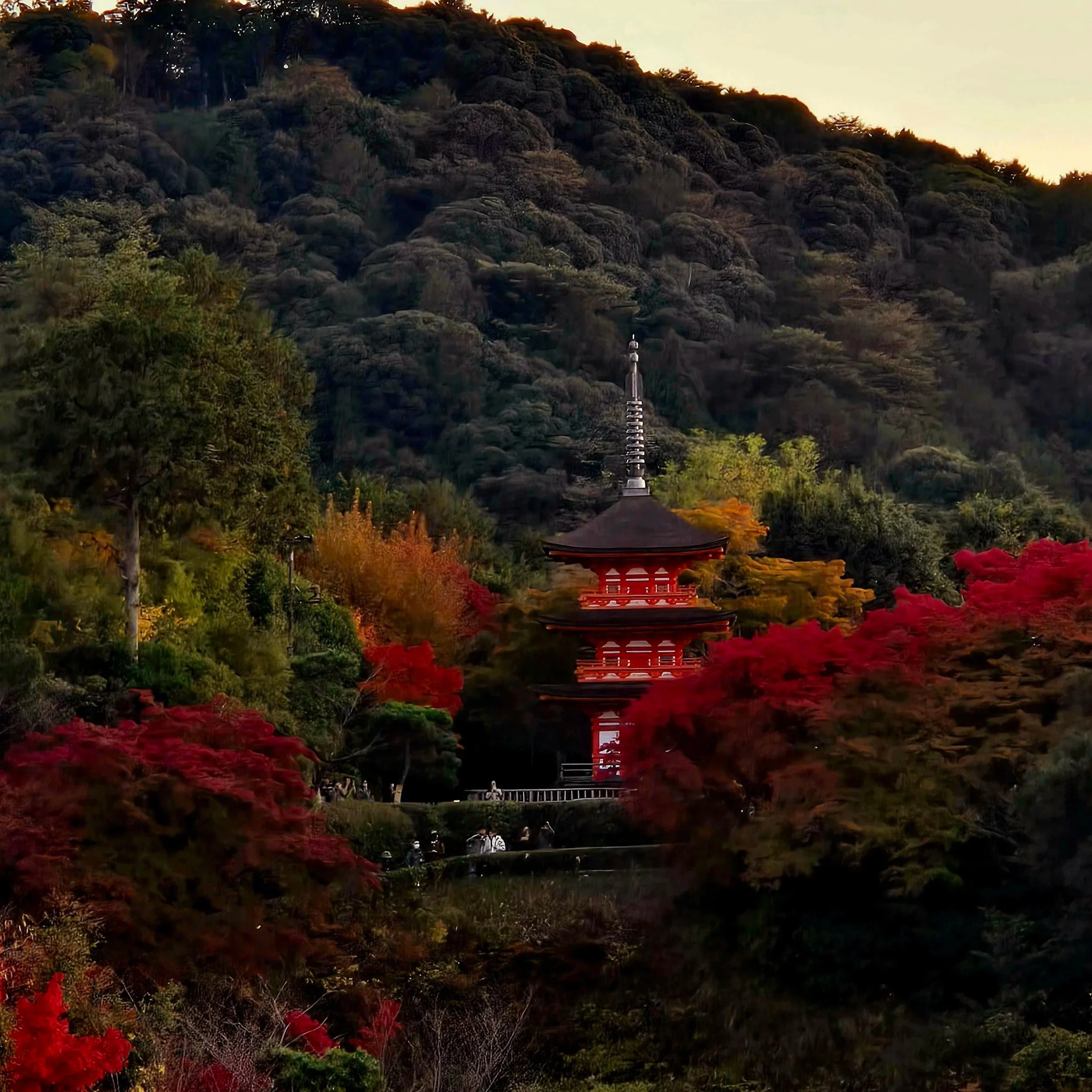
4. Kiyomizu-dera Temple
Perched on a hillside overlooking the city, Kiyomizu-dera is one of Kyoto’s most celebrated temples. Its massive wooden stage offers sweeping views, especially magical during cherry blossom and autumn foliage seasons. The streets leading up to the temple are lined with shops selling traditional sweets and crafts.
5. Nijo Castle
A symbol of Kyoto’s feudal history, Nijo Castle features beautifully preserved architecture, ornate interiors, and the famous “nightingale floors” that chirp when walked on. It’s a fascinating glimpse into the life of shoguns during the Edo period.
6. Day Trip: Nara
Just under an hour from Kyoto by train, Nara is home to friendly free-roaming deer and the magnificent Todai-ji Temple, which houses Japan’s largest bronze Buddha. It’s a peaceful and culturally rich escape from the city.
7. Day Trip: Uji
Known for its green tea heritage and the stunning Byodo-in Temple (featured on the ¥10 coin), Uji is an easy half-day trip from Kyoto. Take time to stroll the riverside streets and sample fresh matcha in local tea houses.
Not Sure Where to Start?
Your Kyoto journey, mapped out! Every spot from this guide (plus a few local gems) is pinned below for easy exploring.
Inspired to experience Kyoto for yourself? I’d love to help you plan a trip that feels like you. Slow, thoughtful, and full of unforgettable moments. Reach out here and let’s bring your Kyoto itinerary to life.
📌 Like this post? Pin it now to save for later! 📌